How to Choose the Right PVC Carport in Australia
PVC, or polyvinyl chloride, is a strong plastic material and PVC carports can withstand all weather conditions, making them ideal for the Australian climate. These durable and affordable carports offer a practical solution for vehicle protection, with benefits such as UV resistance and low maintenance.
Included in this article are details on selecting a suitable PVC garage for Australian conditions, providing guidance covering dimensions, design options, local climate considerations and installation methods.
Australia-Specific Considerations
climate
Australia’s northern regions have a tropical climate, characterized by heavy rainfall and high humidity. In contrast, the southern region has a mild climate and cool winters. Central Australia regularly faces extreme heat and drought conditions. These changing conditions have different requirements for PVC carports.
UV Radiation: Australia is known for high levels of UV radiation, which over time can cause materials to fade, weaken or degrade. The PVC used in carports should contain UV stabilizers to withstand prolonged exposure to sunlight without deterioration.
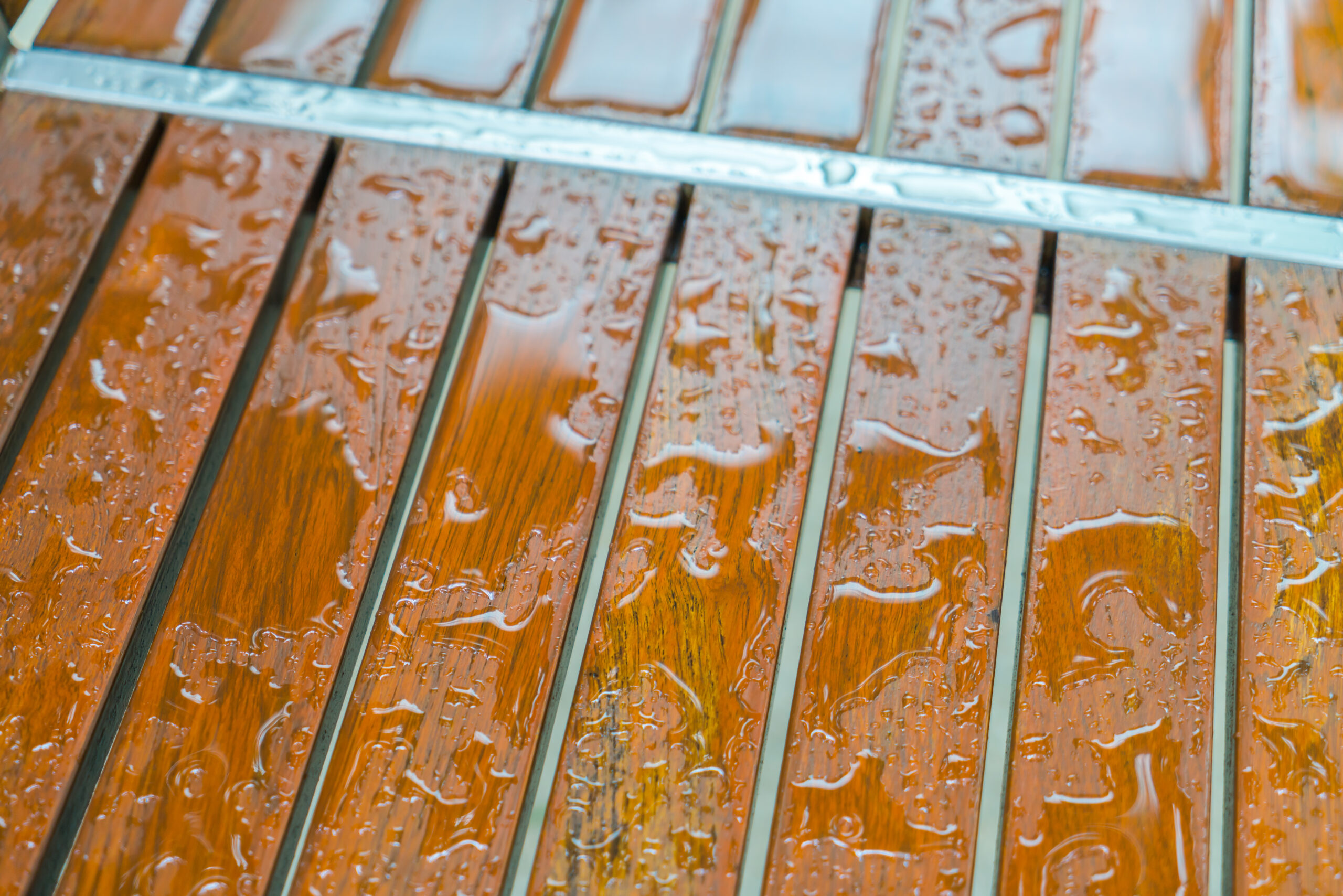
Rainfall and Humidity: In areas with high rainfall, carports need to have good drainage to prevent standing water and potential damage. PVC is naturally water-resistant, making it a good choice for humid or rainy climates. However, additional gutter fittings will also need to be installed
Wind and Storm: Areas prone to strong winds or cyclones require garages equipped with strong anchoring and structural integrity to withstand these forces.
Heat and Fire Resistance: In hot, dry areas, choose materials that can withstand high temperatures without deforming or becoming brittle. While PVC is generally resistant to burning, it is important to ensure that the specific product used meets fire safety standards, particularly in areas prone to bushfires.
Planning permissions and approvals
In many areas of Australia, building a PVC garage may also require planning permission from the local council. Depending on the size and location of the garage, requirements may vary. For example, garages that are over a certain size, close to the street or part of a heritage property may face stricter regulations.
Building standards and safety: Australia has specific building standards in the National Construction Code (NCC) that ensure structures are safe and resilient. These standards cover aspects such as structural integrity, wind resistance (especially in hurricane-prone areas) and fire safety.
Frustrations and Boundaries: Local regulations often specify setbacks, which are the minimum distance a structure such as a garage must maintain from the property boundary or other structures. These rules are in place to ensure the safety, access, and privacy of property owners and their neighbors.
Be sure to check with your local council as they may have specific guidelines or requirements that are unique to their jurisdiction regarding these specific requirements. This ensures compliance with all relevant regulations and avoids potential legal issues or fines
Choosing the right PVC carport
Choosing the right PVC carport requires considering a variety of factors, such as the size of your car, the structure of the adjacent home, color choice and your specific budget. Here are some data and options for these factors
Size and Space Requirements:
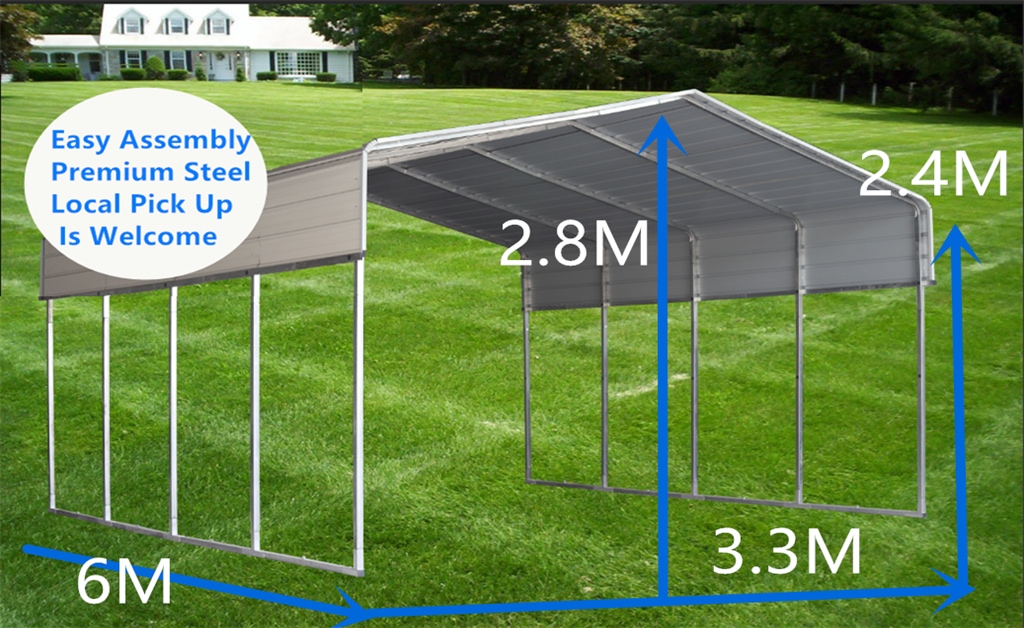
The ideal size for a PVC carport largely depends on the types and number of vehicles it needs to accommodate. Standard carports typically range from 3 meters in width for a single vehicle to 6 meters or more for multiple vehicles.
Height is another consideration, especially for accommodating taller vehicles like SUVs or caravans. A typical height is around 2.2 to 2.4 meters.
Ensure there is sufficient clearance around the carport for ease of access and to comply with local council setbacks, which might require a certain distance from property boundaries.
Design and Aesthetics:
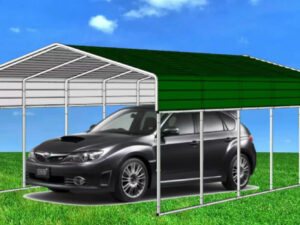
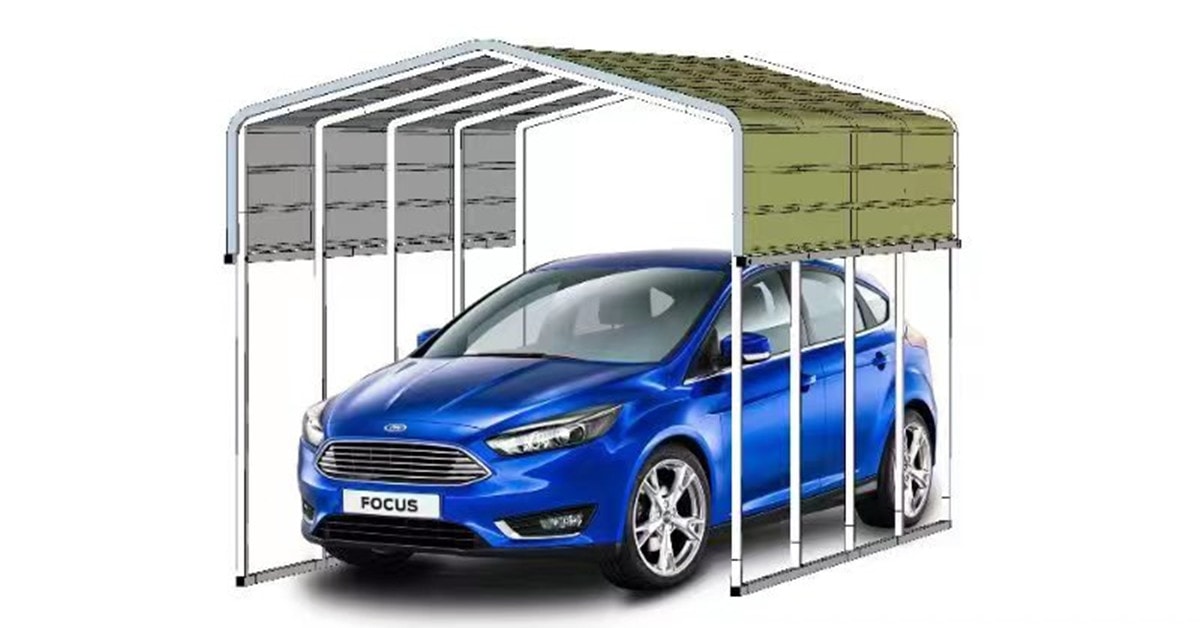
PVC carports come in a variety of designs, from basic flat roofs to gabled or curved structures. The choice often depends on aesthetic preference and the style of the existing buildings.
Color options can vary, but common choices include shades that mimic natural materials or complement house colors. UV-resistant finishes can help maintain color integrity over time.
Durability and Weather Resistance:
Durability is critical, considering Australia’s harsh weather conditions. PVC materials used in carports should have a high UV resistance rating, often specified as a UV protection factor (UPF). A UPF rating of 50+ is considered excellent.
The material should also withstand temperature variations. PVC carports should remain stable in temperatures ranging from below 0°C to above 40°C, which are common in many parts of Australia.
Wind resistance is also vital, especially in cyclone-prone areas. Carports should be designed to withstand wind speeds specific to the region, which can be as high as 180 km/h in cyclone zones.
Maintenance Requirements:
PVC is low maintenance, but occasional cleaning may be required to remove dirt or debris. This typically involves a simple wash down with water and a mild detergent.
The material should not require regular painting or sealing, unlike wood or metal alternatives. This reduces long-term maintenance costs and effort.
Cost and Budget:
The cost of PVC carports can vary based on size, design, and additional features. On average, prices might range from $1,000 for basic, single-vehicle structures to $5,000 or more for larger, customized designs.
Consider the long-term savings from low maintenance costs and durability when budgeting for a PVC carport. Although upfront costs might be higher than some alternatives, the lifespan and reduced upkeep can provide better value over time.
How to Maintenance PVC Carport
The maintenance of PVC carports is relatively simple and only requires regular inspection and cleaning. The time and specific inspection items vary. For details, please refer to the following:
Routine Cleaning of PVC Carport
Frequency and Timing: Perform cleaning at least twice a year. Ideal times are after winter and before the rainy season, to clear accumulated debris and prepare for wetter conditions.
Tools and Materials:
- A soft brush or non-abrasive cloth to avoid scratching the PVC.
- A garden hose or bucket of water.
Mild soap or a specialized PVC cleaner. Avoid bleach or harsh chemical cleaners that can damage the material.
Cleaning Procedure:
- Start by rinsing the carport with water to loosen and remove any surface dirt and debris.
- Dilute the mild soap in water and apply it gently using the brush or cloth. For hard-to-reach areas, consider using a soft-bristled extension brush.
- Scrub gently to avoid scratching the PVC. Focus on areas with noticeable dirt or stains.
- Rinse the carport thoroughly with clean water to remove all soap residue.
- Allow the structure to air dry completely.
Periodic Structural Integrity Checks
Frequency and Conditions for Checks: Conduct routine checks every six months and after extreme weather events like storms or high winds.
Inspection Areas:
- Examine the roof for any cracks, holes, or signs of wear.
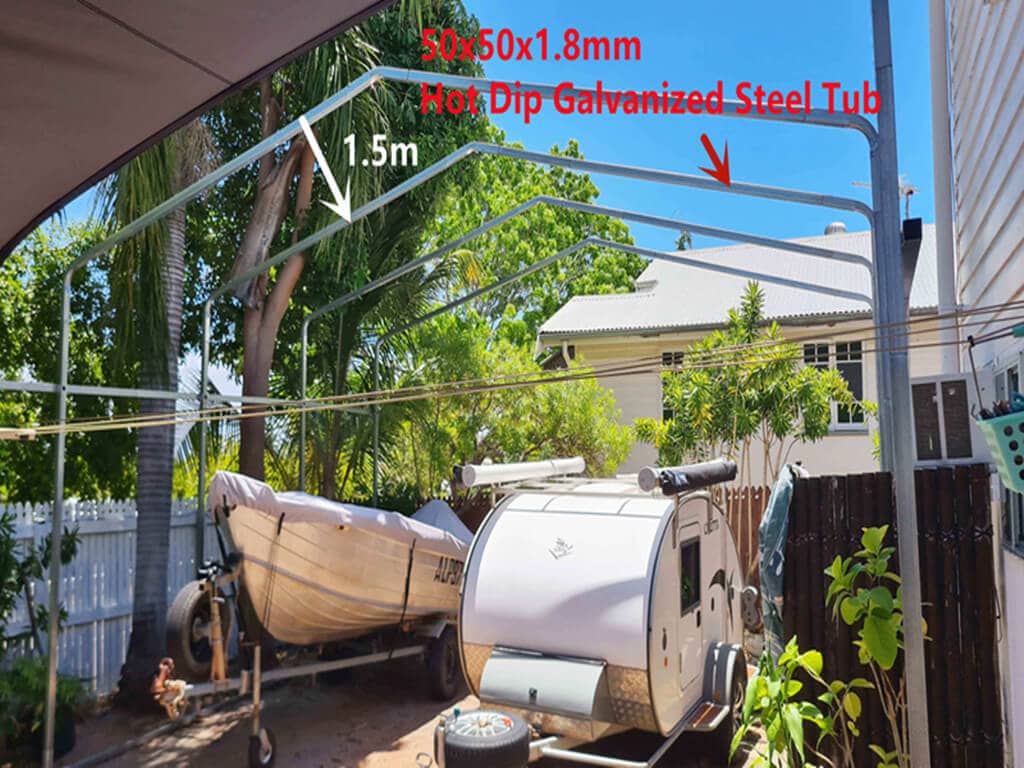
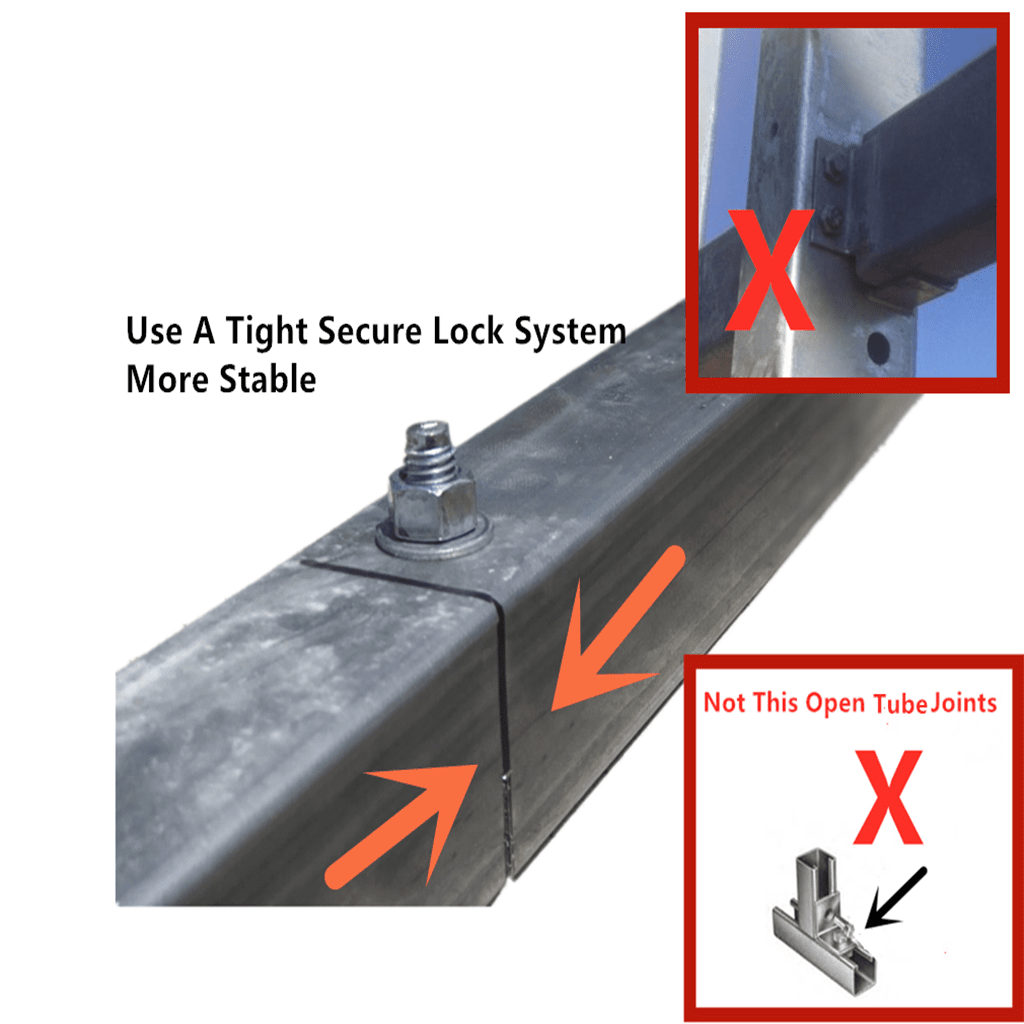
- Check the frame and joints for any signs of rust, corrosion, or loosening.
- Look at the anchoring points to ensure they remain secure and intact.
Repair and Maintenance Steps:
- Tighten any loose bolts or fittings.
- Replace or repair any damaged parts as soon as they are identified.
- If structural damage is significant, consult a professional for repair or replacement advice.
UV Protection and Material Care:
Monitoring for UV Damage:
Regularly inspect the carport for signs of UV damage such as fading, discoloration, or brittleness of the PVC material.
Additional Protection Measures:
If signs of UV damage are noticed, consider applying a UV protectant product specifically designed for PVC. This can help extend the life of the carport.
In extreme cases, where damage is significant, replacement of affected parts may be necessary.