How to Choose a Winter Carport in Australia
Australia’s climate is unique and variable, and choosing a carport that protects your vehicle from the elements while also complementing your home can be challenging. This comprehensive guide can help you choose the right carport for you, including: The impact of weather on carports, the types, functions and installation precautions of different carports, etc.
We provide information on most carports. Whether you’re a first-time buyer or looking to upgrade your current setup, this blog will provide valuable insights and practical tips.
Learn about Australia’s winter climate
First you need to understand Australia’s winter climate and where you are located. From June to August, weather conditions vary across the Australian continent. In southern regions such as Victoria and Tasmania, winters are usually cold, with frequent rain and occasional snow, especially in the high country.
Meanwhile, northern regions including Queensland and the Northern Territory have had milder temperatures and less precipitation. Understanding these regional differences is crucial when choosing a carport. For example, in snowy areas, a garage with a strong pitched roof is critical to controlling snow loads, while in areas with milder winters, the focus may be more on rain and wind protection.
Types of Carports
When it comes to carports, the material and design play a significant role, especially during winter. Here are the main types to consider:
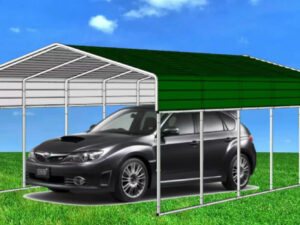
Metal Carports: These are popular due to their durability and strength. Ideal for areas with heavy rain or snow, metal carports can withstand harsh conditions. However, they can be prone to rust, so look for options with rust-resistant coatings. In coastal regions, where salt can accelerate corrosion, extra maintenance might be required.
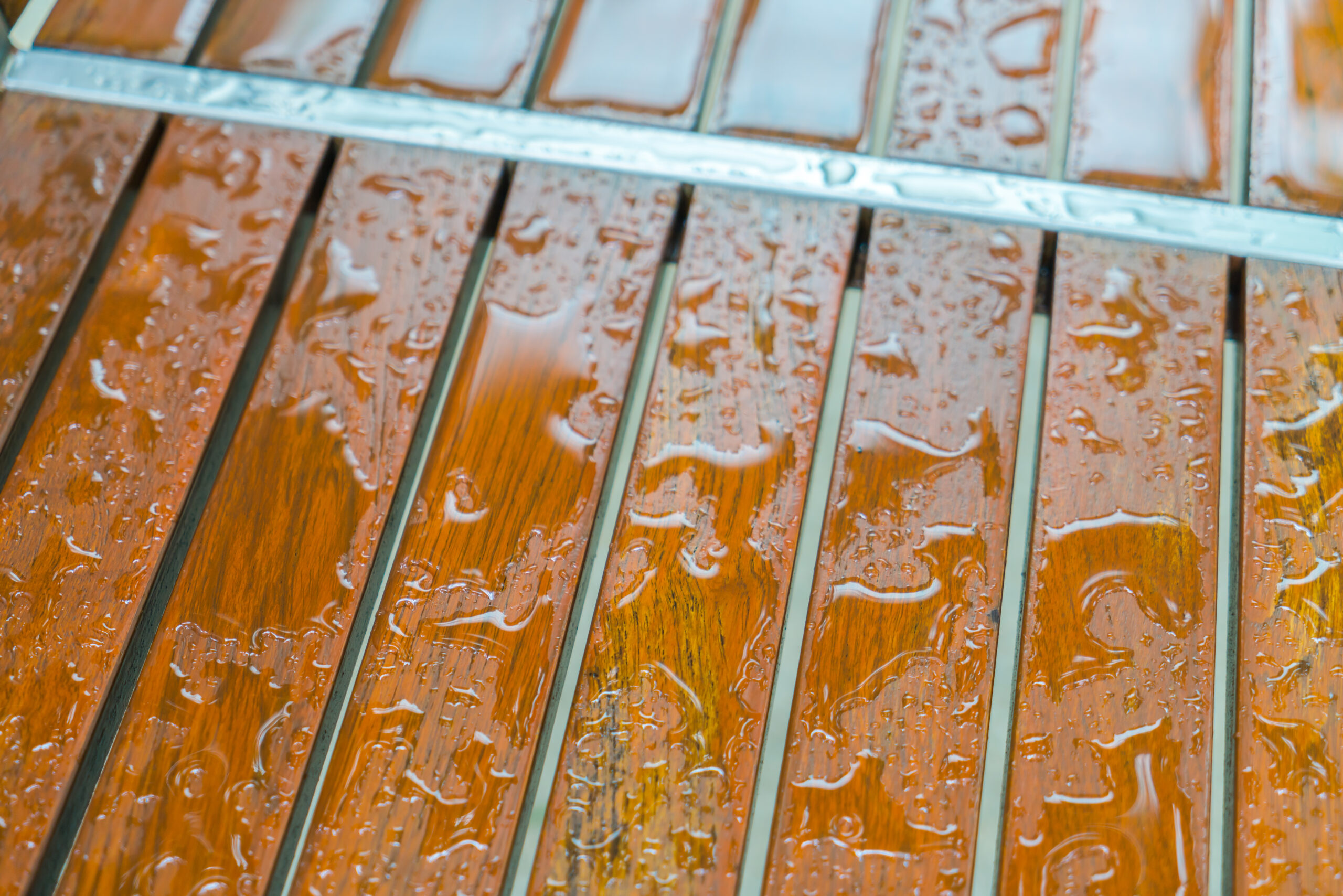
Wooden Carports: Wooden carports offer a natural and aesthetic appeal. They can be custom-built to match your home’s design. However, they require more maintenance, like regular staining or sealing, to prevent weather damage. They’re more suitable for milder climates but can be reinforced for harsher conditions.
Portable Carports: If you need flexibility, portable carports are a good choice. They are less durable than permanent structures but can be moved as needed. They’re best for temporary solutions or in areas with light winter conditions.
Key Features to Consider
When selecting a winter carport in Australia, several critical features must be considered to ensure it withstands local weather conditions. Here’s an expanded look at these key factors:
Size and Capacity
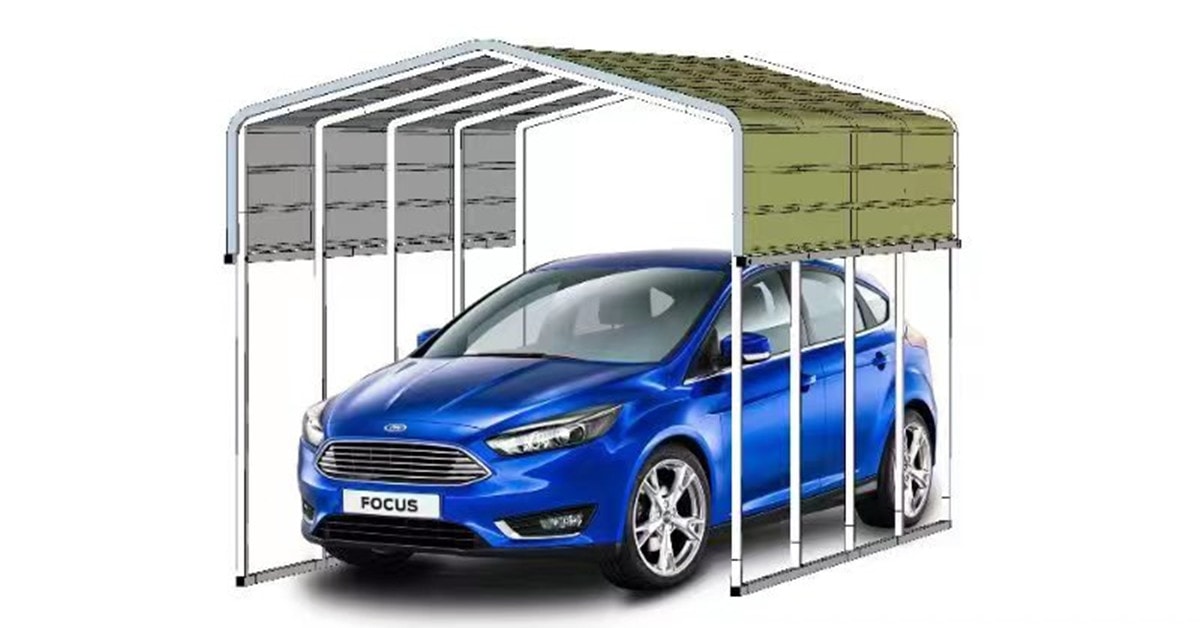
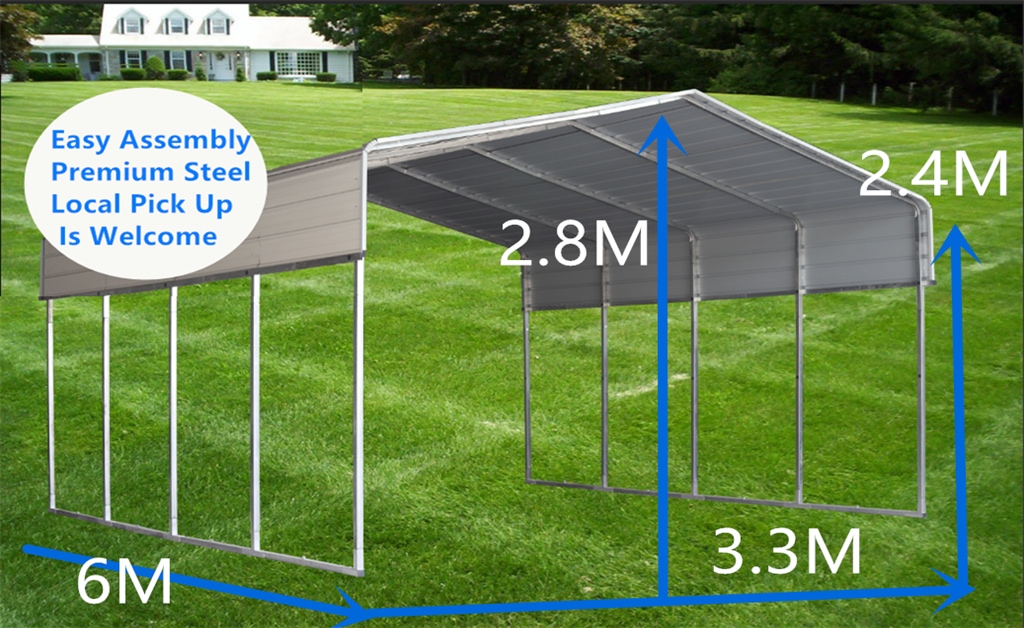
The size should accommodate not just the vehicle but also provide sufficient clearance for doors to open and allow easy access around the vehicle. For a standard car, a minimum width of 2.6 meters is recommended, while for larger vehicles or multiple cars, consider wider options.
Material Durability:
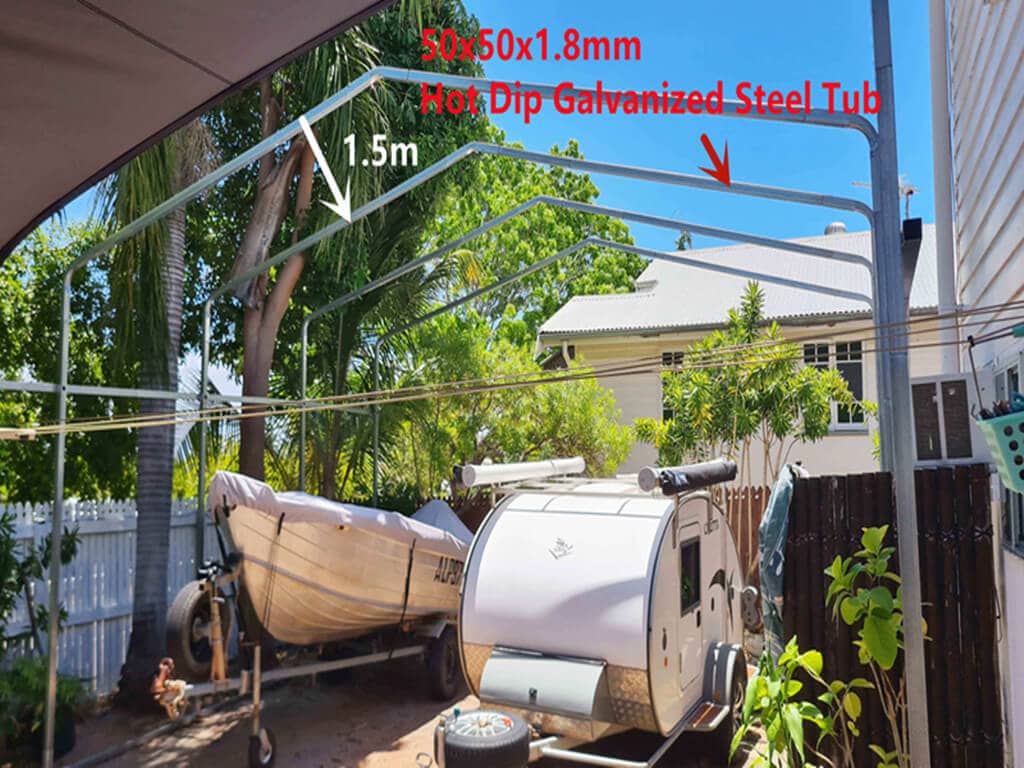
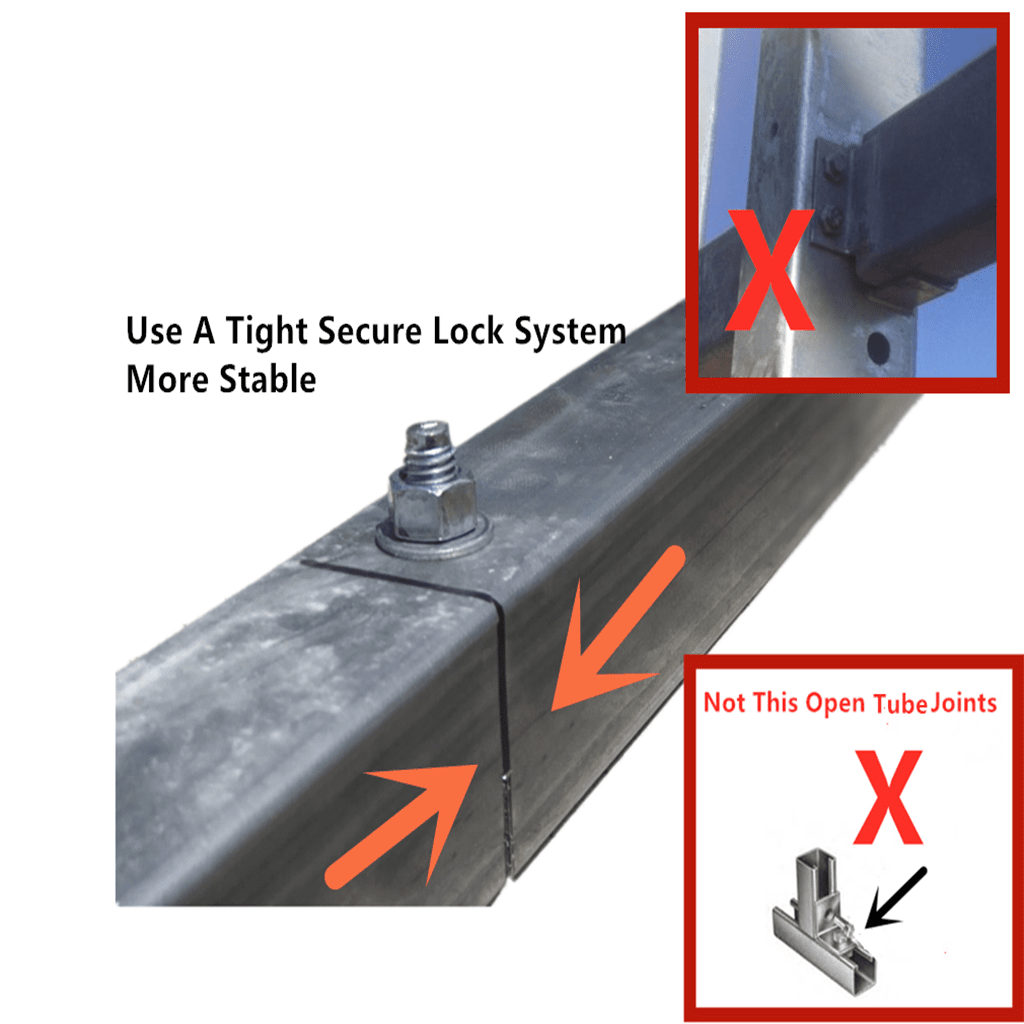
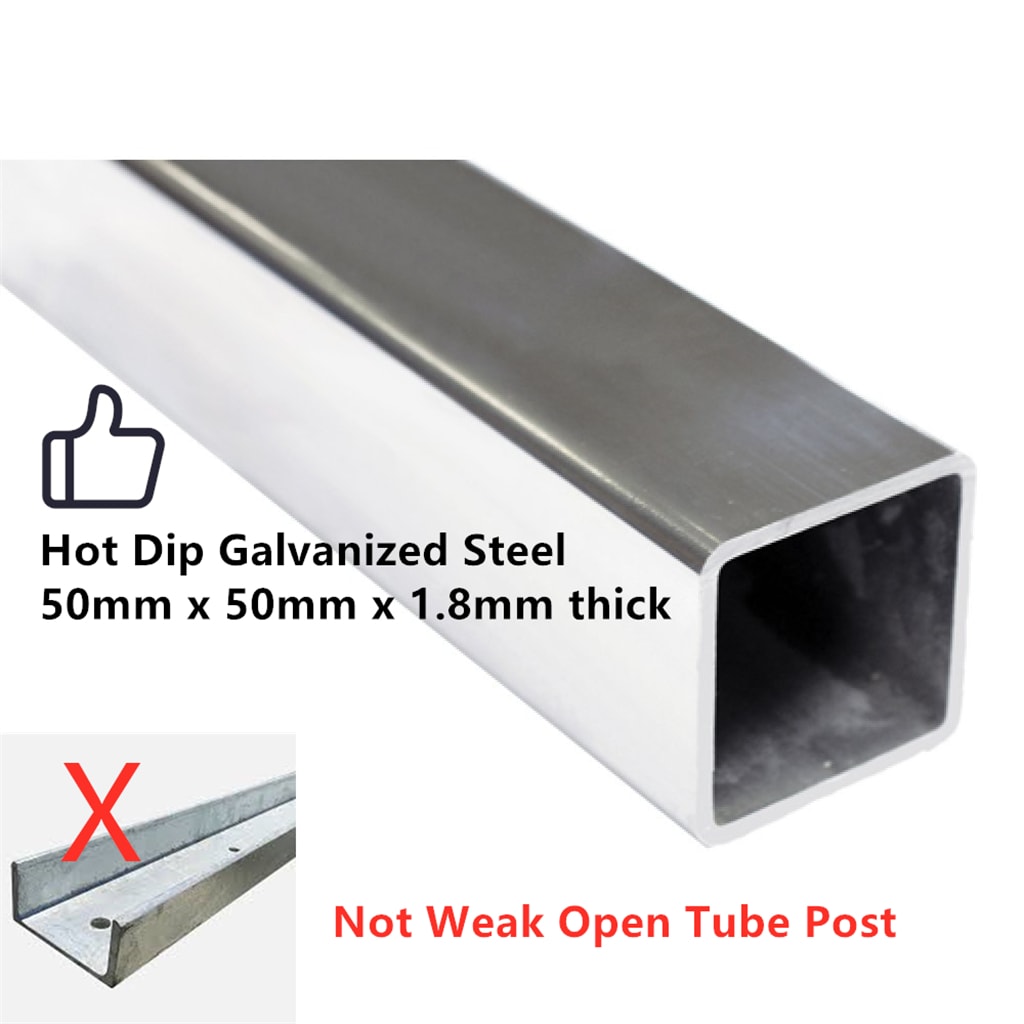
Metal Carports: Look for steel with a high gauge number (indicating thickness) for strength. Galvanized steel is a good option for rust resistance.
Wooden Carports: Hardwoods are more resilient to weather. Treatments for waterproofing and UV protection are essential.
Roof Material: Polycarbonate roofing, known for its durability and resistance to UV rays, can be a suitable choice.
Wind Rating
This is crucial, especially in areas prone to high winds or cyclones. Australian standards categorize wind ratings from N1 (light winds) to C4 (cyclonic). For example, regions like Cyclone-prone areas in Northern Australia require a minimum of C2 rating.
Carports should be engineered to meet the specific wind rating of your area. For instance, in a C2 zone, a carport must withstand wind speeds up to 180 km/h.
Snow Load
In snow-prone areas like the Australian Alps, consider the snow load capacity. This is measured in kilopascals (kPa).
A standard requirement might be 2.5 kPa, which equates to about 256 kg/m² of snow. Heavier snowfall areas might need carports rated for higher loads.
Roof Design
Sloped Roofs: Essential for snow-prone areas to prevent snow accumulation. A minimum slope of 20 degrees is recommended for effective snow shedding.
Flat Roofs: Suitable for regions with lighter snowfall or heavy rain. Ensure adequate drainage to prevent water pooling.
Anchoring and Stability
The type of anchoring depends on the installation surface. Concrete footings are ideal for stability.
In high-wind areas, additional bracing or deeper anchors might be required. Compliance with local building codes is crucial.
Additional Features
Side Panels: Offer added protection against driving rain and wind-blown debris.
Gutter Systems: Necessary for effective water management, especially in heavy rain areas. Ensure downspouts are sufficient to handle the volume of water.
Insulation: In regions with extreme temperature variations, insulated panels can provide added protection and comfort.
Local Regulations and Compliance:
Understanding local building codes and regulations is essential. These may dictate maximum sizes, height, and even materials. In bushfire-prone areas, fire-resistant materials might be required.
Cost and Budgeting
In addition to considering winter weather and geography, cost and budget are often top of mind. Here are some factors that may come into play:
Material selection can significantly affect cost. Metal carports are generally less expensive than wooden carports, while custom designs or high-end materials will be more expensive. Larger garages with complex sizes and designs cost more. Features like additional wind bracing or structural reinforcements for snow loads can also increase the price.
Delivery and installation costs may vary depending on your location. Remote areas may incur higher transportation costs.Also, don’t forget the cost of repairs in addition to purchase and shipping costs. While it can be tempting to go with cheaper options, if you have a carport that will be used long-term when needed, it may be more cost-effective to invest in higher quality. Durable materials and sturdy construction reduce maintenance and replacement costs.
Some providers offer financing plans. Consider these options if they fit your financial planning. Some areas may offer government grants or local subsidies for sustainable or hurricane-resistant structures.
FAQs
A well-maintained metal carport can last upwards of 20-30 years. The lifespan depends on factors like material quality, local climate, and maintenance. Galvanized steel or aluminum with rust-proof coatings tend to have longer lifespans.
Carports designed to Australian standards can withstand significant wind forces. In cyclone-prone areas, carports must meet higher wind rating requirements (such as C2, which can withstand up to 180 km/h winds). Proper anchoring and installation are key.
Standard carports are designed to handle a snow load of about 2.5 kPa, equivalent to 256 kg/m². For areas with heavier snowfall, it’s advisable to opt for carports designed for higher snow load capacities.
Yes, there are eco-friendly options like carports with solar panels or those made from sustainable or recycled materials. These not only reduce environmental impact but can also offer energy benefits and possible subsidies.
A well-designed carport can enhance property value by providing functional vehicle protection and improving curb appeal. The impact on value varies, depending on the quality, design, and integration with the property’s overall aesthetics.